What if the freedom you spent years looking forward to is not enough on its own?
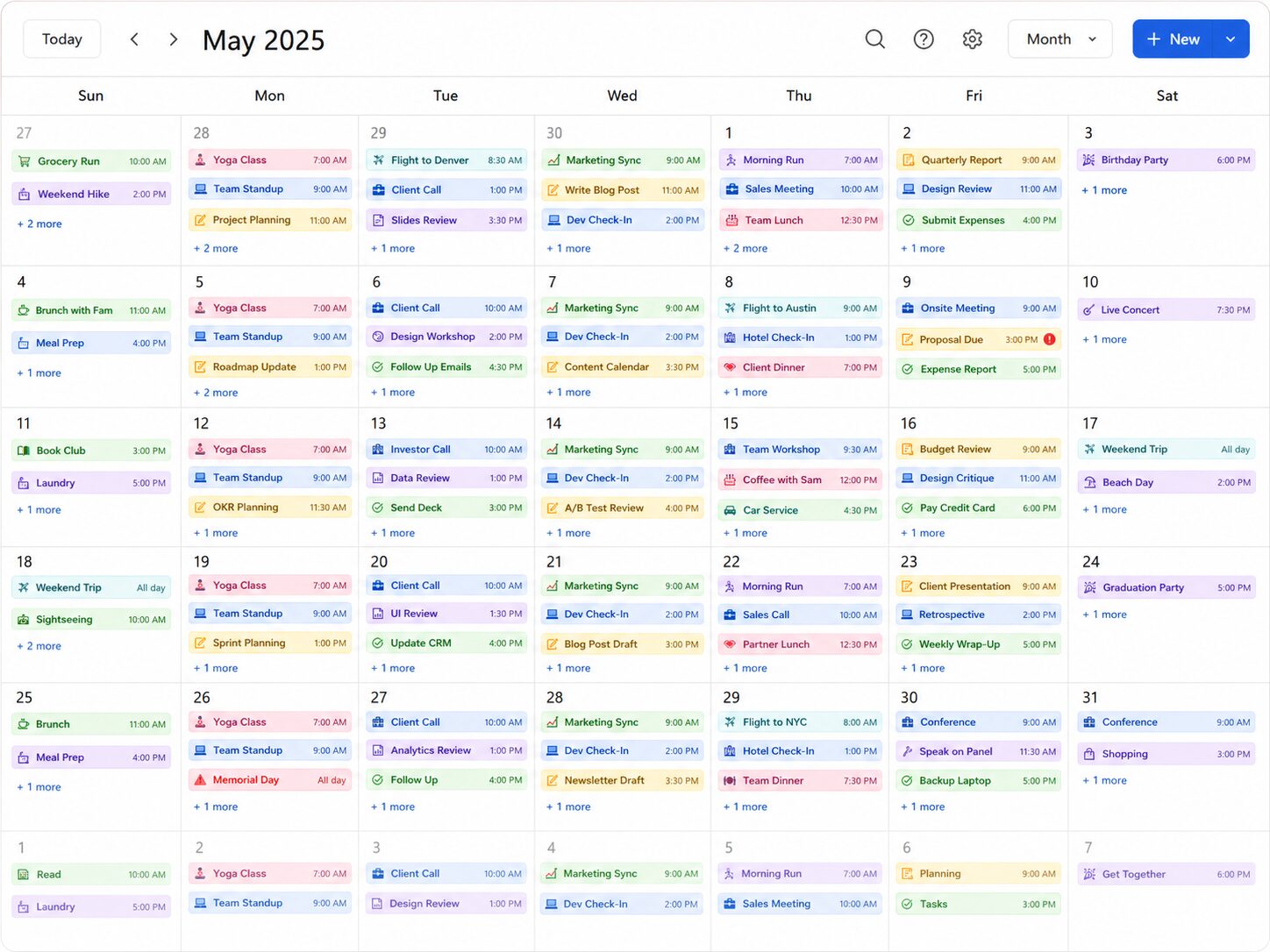
Retirement often promises open days, fewer obligations, and freedom from someone else’s schedule. But without a little structure, that freedom can sometimes feel less like possibility and more like drift
Retirement is often imagined as the great release from structure.
No more alarm clock. No more deadlines. No more meetings. No more work calendar dictating where you need to be and when.
For a while, that can feel wonderful.
But many people eventually discover something they did not expect: completely open time does not always feel free. Sometimes it feels vague. Restless. Unfocused. Drifty.
That is why one phrase from my conversation with Cyn Meyer stayed with me:
Schedule your spontaneity.
At first, it sounds like a contradiction. Scheduling and spontaneity seem like opposites. But the more you sit with the idea, the more sense it makes.
Because structure and freedom are not enemies. In retirement, a little structure may be what allows freedom to actually feel enjoyable.
The Freedom Trap
Many people spend their working years dreaming about the absence of structure. They picture retirement as a time when every day belongs fully to them.
But when the external structure of work disappears, something else can happen. The space that once felt expansive can start to feel empty.
Without a rhythm, your attention may not stay free. It can get pulled into scrolling, news, errands, distractions, or other people’s priorities. What looked like freedom can become noise.
This does not mean there is something wrong with you. It may simply mean your brain spent decades operating within a framework, and now that framework is gone.
The goal is not to recreate the rigidity of work. The goal is to build a structure that supports you.
Inner Work Before Outer Work
When retirement feels flat, the instinct is often to get busy.
Join a class. Volunteer. Start a hobby. Fill the calendar.
Those can all be good things. But Cyn Meyer makes an important distinction: inner work needs to come before outer work.
If you start filling your days before understanding what genuinely matters to you, you may end up with a full schedule that still feels empty.
That is why retirement planning cannot only be about activities. It also has to be about identity, purpose, energy, curiosity, and desire.
What do you actually want?
Not what looks impressive. Not what other retirees are doing. Not what you think you should want.
What genuinely pulls at you?
Building the Clarity Muscle
Cyn describes this as building a clarity muscle.
That framing matters because it means clarity is not something you either have or do not have. It is something you practice.
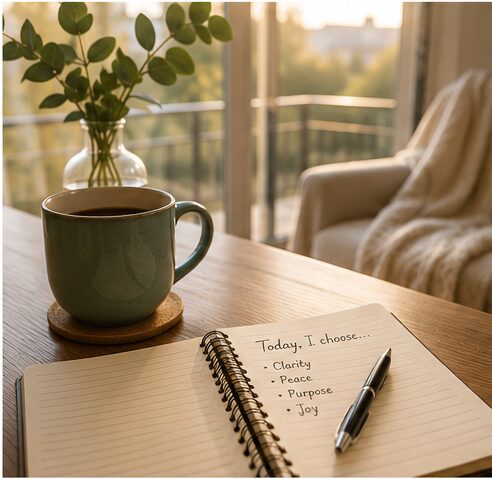
The practice can be simple. Five to ten minutes a day. Same time each day. A little protected “me time” to sit, journal, think, walk, or simply ask yourself what you want.
The format matters less than the consistency.
Over time, that small practice helps train your attention inward. Instead of constantly looking outside yourself for cues, you begin to notice your own signals again.
The Comparison Trap
One of the easiest ways to lose touch with those signals is comparison.
Retirement comes with a lot of images: travel, golf, grandchildren, cottages, volunteering, hobbies, cruises, perfect morning walks.
There is nothing wrong with any of those things. But they become a problem when they become the template you measure yourself against.
Someone else’s retirement is not evidence of what yours should be.
The question is not, “What is everyone else doing?”
The question is, “What kind of life feels right for me now?”
Bookends and Buckets
So how do you create structure without making retirement feel over-managed?
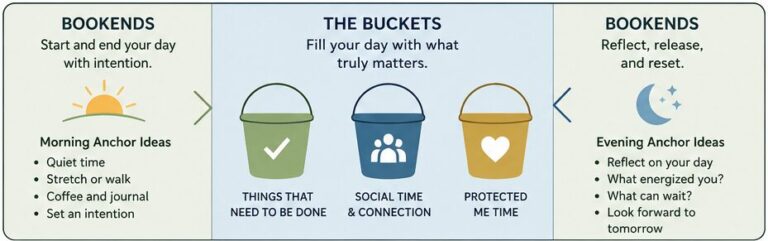
Start with gentle bookends.
A morning anchor might be a glass of water, ten minutes of quiet, a short walk, or a few minutes before you check your phone.
An evening anchor might be a short reflection: What energized me today? What drained me? What am I looking forward to tomorrow?
Between those bookends, Cyn suggests thinking of the day in buckets:
• things that need to be done
• social time
• protected me time
That protected time is where the inner work happens. It is where you begin to hear yourself again.
And once that structure is in place, the open spaces in your day can feel more genuinely free. You can say yes to something spontaneous without feeling like you are simply drifting.
Start Small
This does not require a complete overhaul of your life.
Start with one anchor.
Morning or evening. Your choice.
Make it small. Make it repeatable. Do it for two weeks.
That might be enough to begin creating a different relationship with your days.
Because retirement is not just about having time. It is about knowing how you want to live inside that time.
And sometimes, the structure comes first.
Then the freedom follows.